

RETURN

THE ASSASSINATION
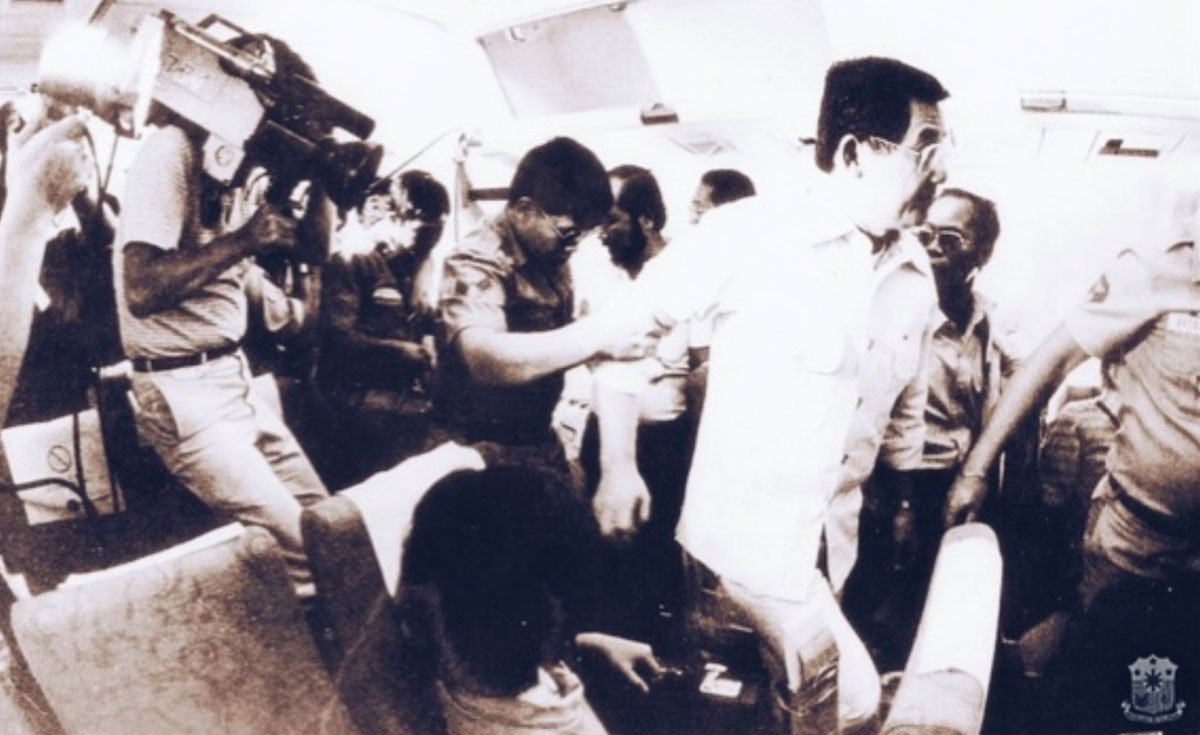
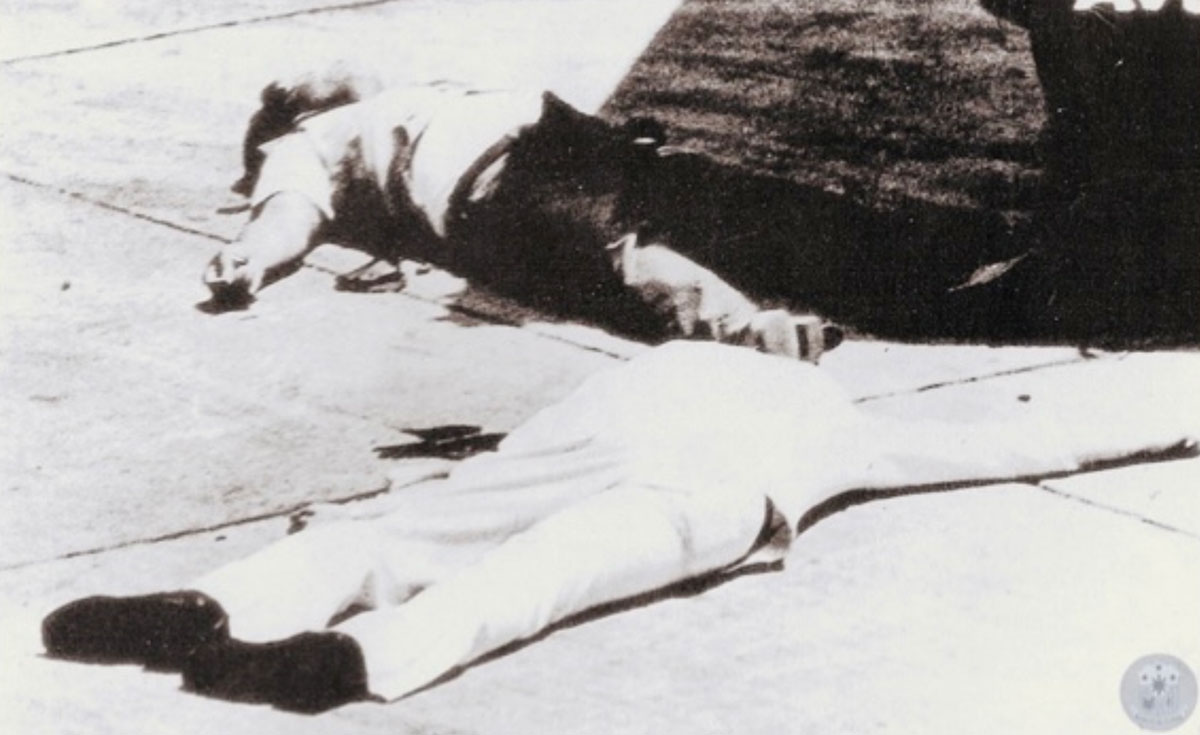
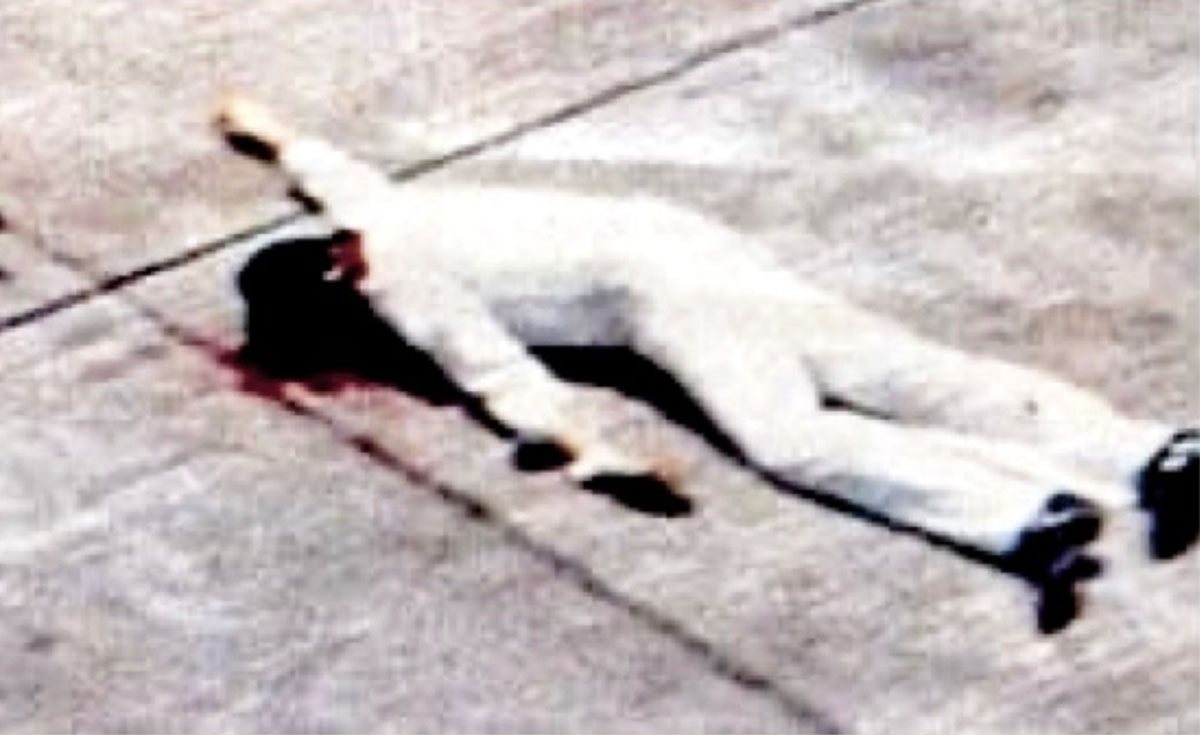
On August 21, 1983, Ninoy Aquino was assassinated at the Manila International Airport upon returning from exile in the United States. As he was being escorted off the plane, he was shot in the head before he could set foot on Philippine soil. Ninoy Aquino was shot dead as he was escorted off the plane by military personnel, moments after arriving in Manila from his exile in the United States. The alleged gunman, Rolando Galman, was also killed at the scene, creating confusion and suspicion about what truly happened. The circumstances of the assassination—carried out in broad daylight under heavy security—raised serious doubts about the government’s explanation and pointed to a possible conspiracy.
THE FUNERAL
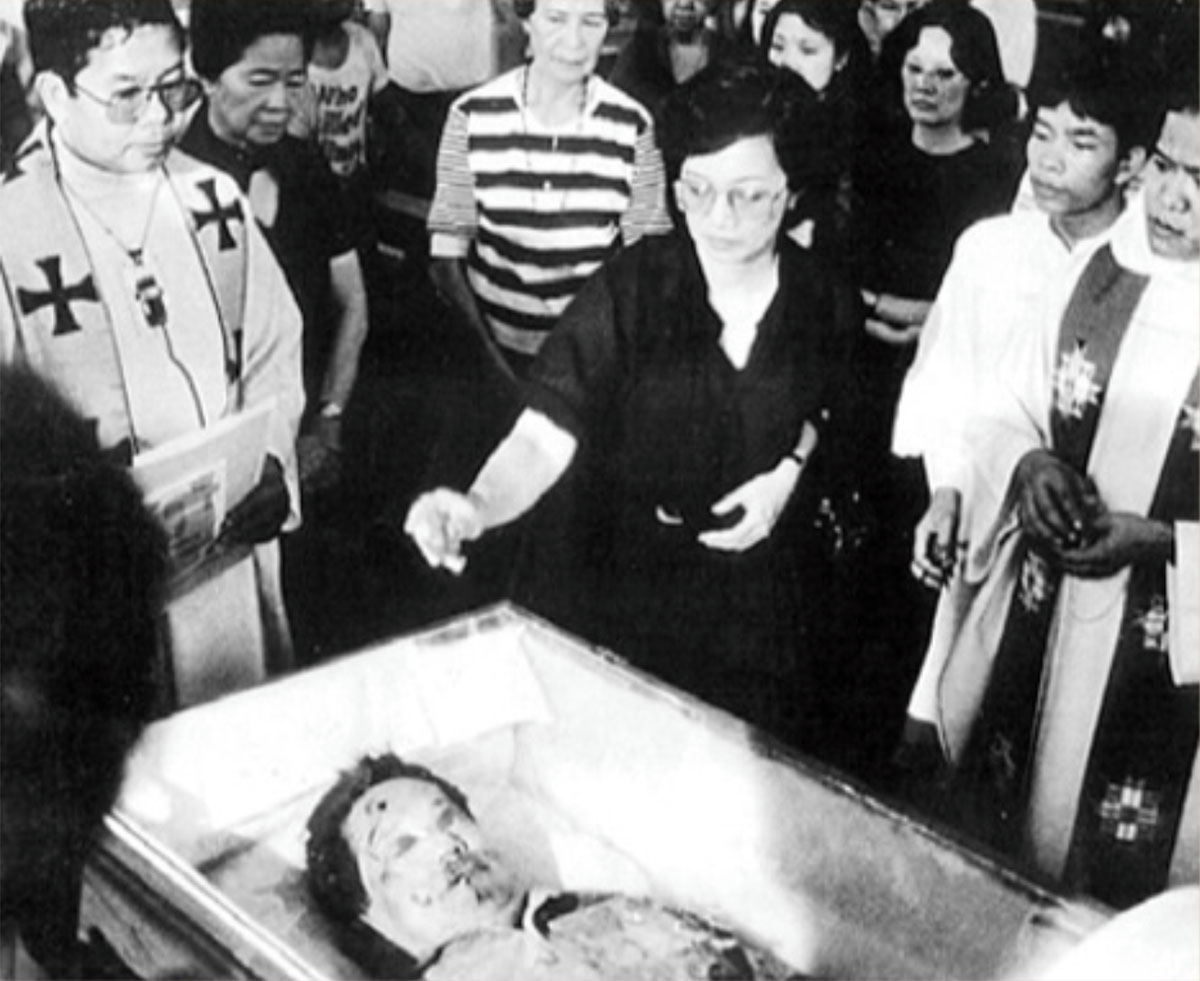
Ninoy Aquino’s body was brought home to his family, who chose not to have it embalmed properly so that the public could see the extent of his wounds. His remains were placed in an open casket at their home on Times Street, Quezon City, where thousands of Filipinos lined up for hours to pay their respects. People from all walks of life came to mourn, many visibly moved by the sight of his blood-stained clothes and lifeless body—a powerful symbol of the injustice he suffered.
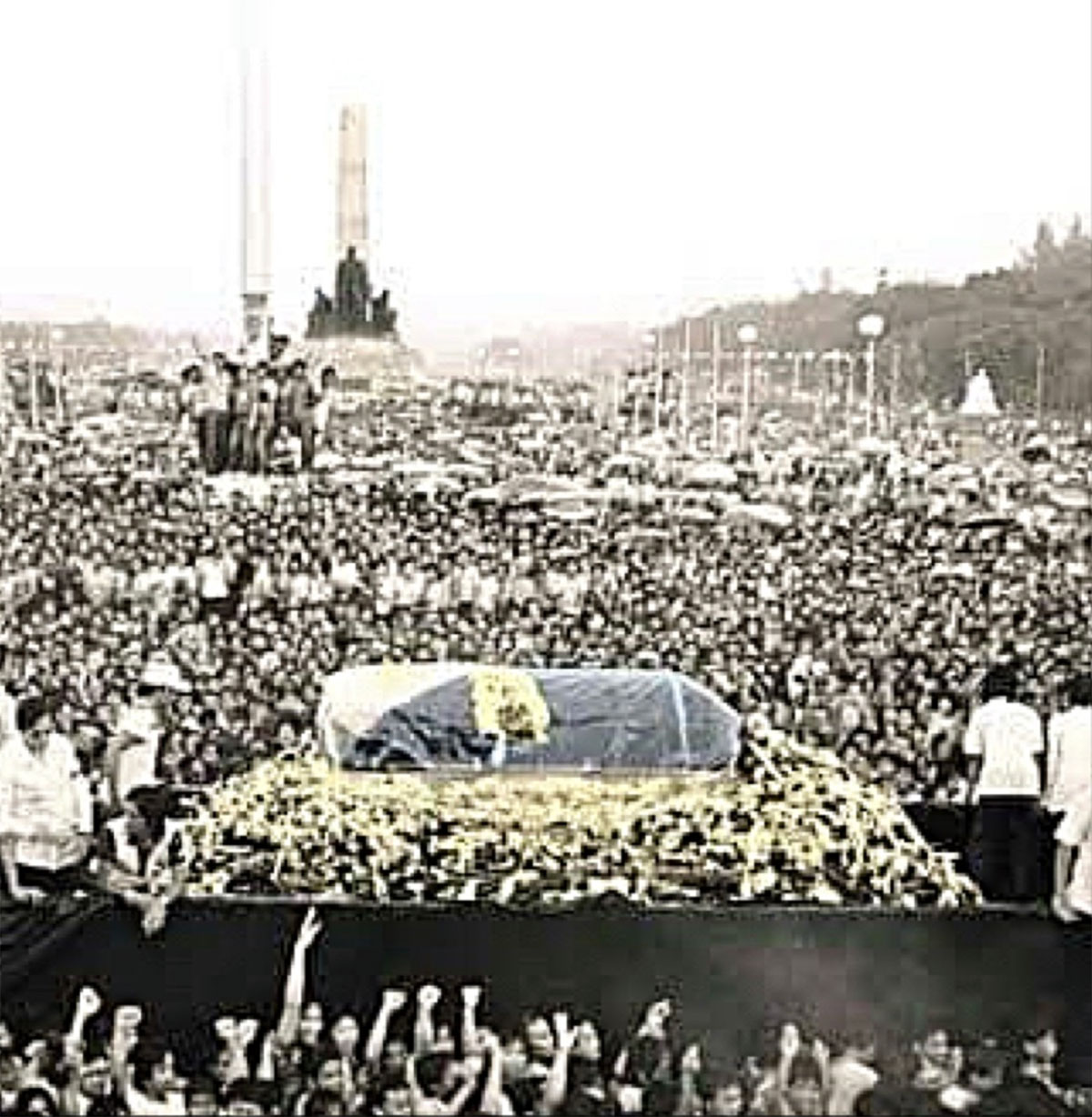
On August 31, 1983, his funeral procession drew an estimated two million people, stretching for kilometers from Santo Domingo Church to the Manila Memorial Park. The event became one of the largest public gatherings in Philippine history, as citizens quietly expressed their grief and admiration for Ninoy. Though the procession was solemn and peaceful, it marked a turning point in the nation’s collective awakening, uniting Filipinos in sorrow and deep reflection over the cost of freedom.
PROTESTS AND INDIGNATION
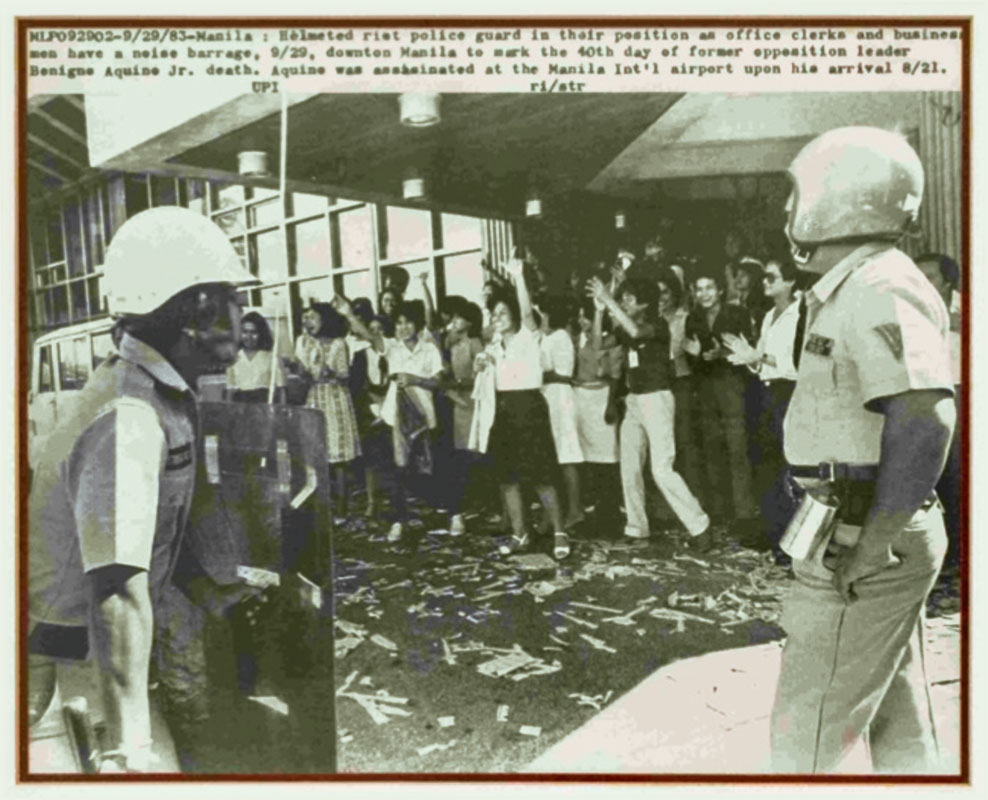
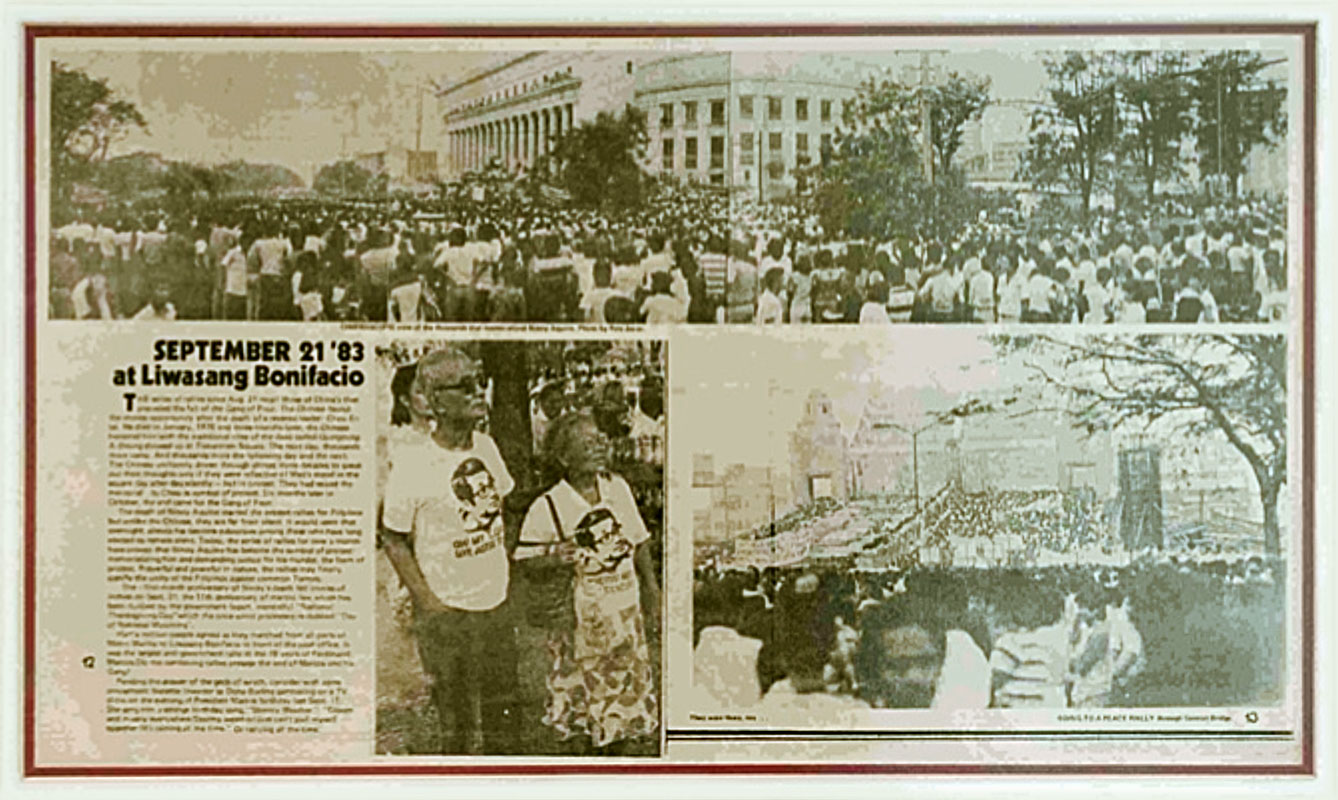
In the years that followed Ninoy Aquino’s assassination, widespread protests erupted across the Philippines, breaking the climate of fear that had long prevailed under Martial Law. Citizens from all sectors— students, workers, clergy, and professionals—joined marches, prayer rallies, and demonstrations demanding truth and accountability. The movement steadily grew stronger, eroding the legitimacy of the Marcos regime and laying the groundwork for the 1986 People Power Revolution that would finally restore democracy.