
SACRIFICE
EDSA PEOPLE POWER
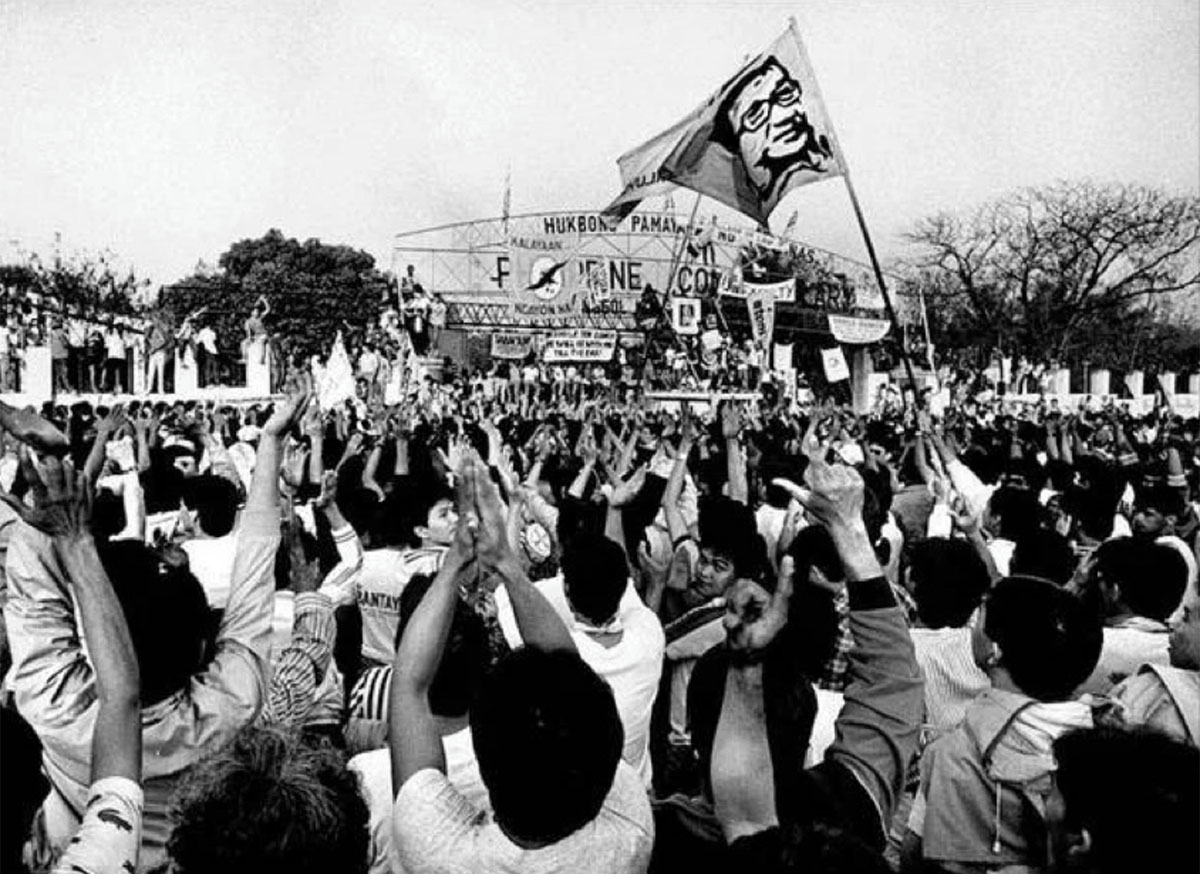
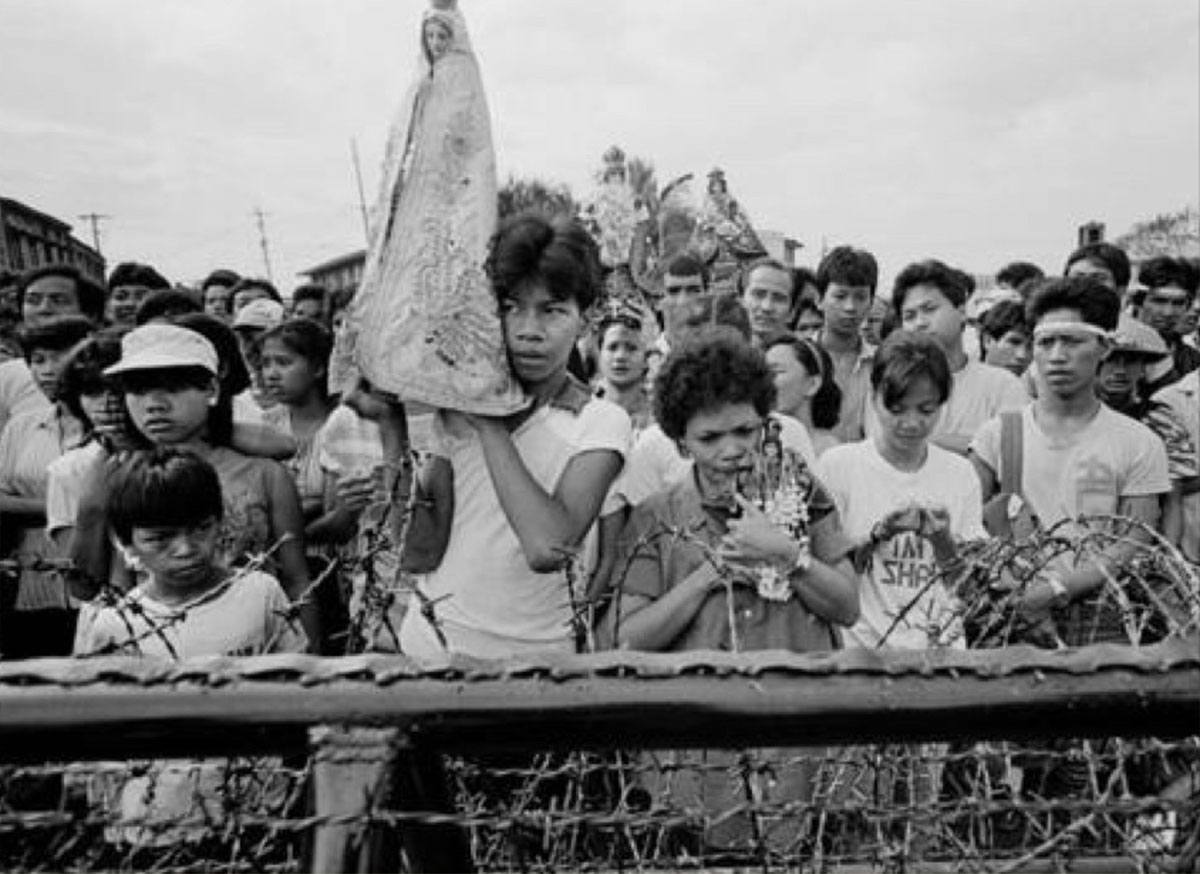
The EDSA Revolution unfolded over four tense days, from February 22 to 25, 1986, as unarmed civilians filled Epifanio de los Santos Avenue to protect military defectors and demand that Ferdinand Marcos step down. Despite the threat of violence, the crowds—composed of nuns, students, workers, and entire families—remained peaceful, praying the rosary and offering food and flowers to soldiers. The military eventually withdrew its support for Marcos, forcing him into exile and marking the triumph of people’s unity and moral courage. It was a rare moment in history when a nation reclaimed its freedom not through force, but through faith and collective resolve.
PEOPLE’S PRESIDENT
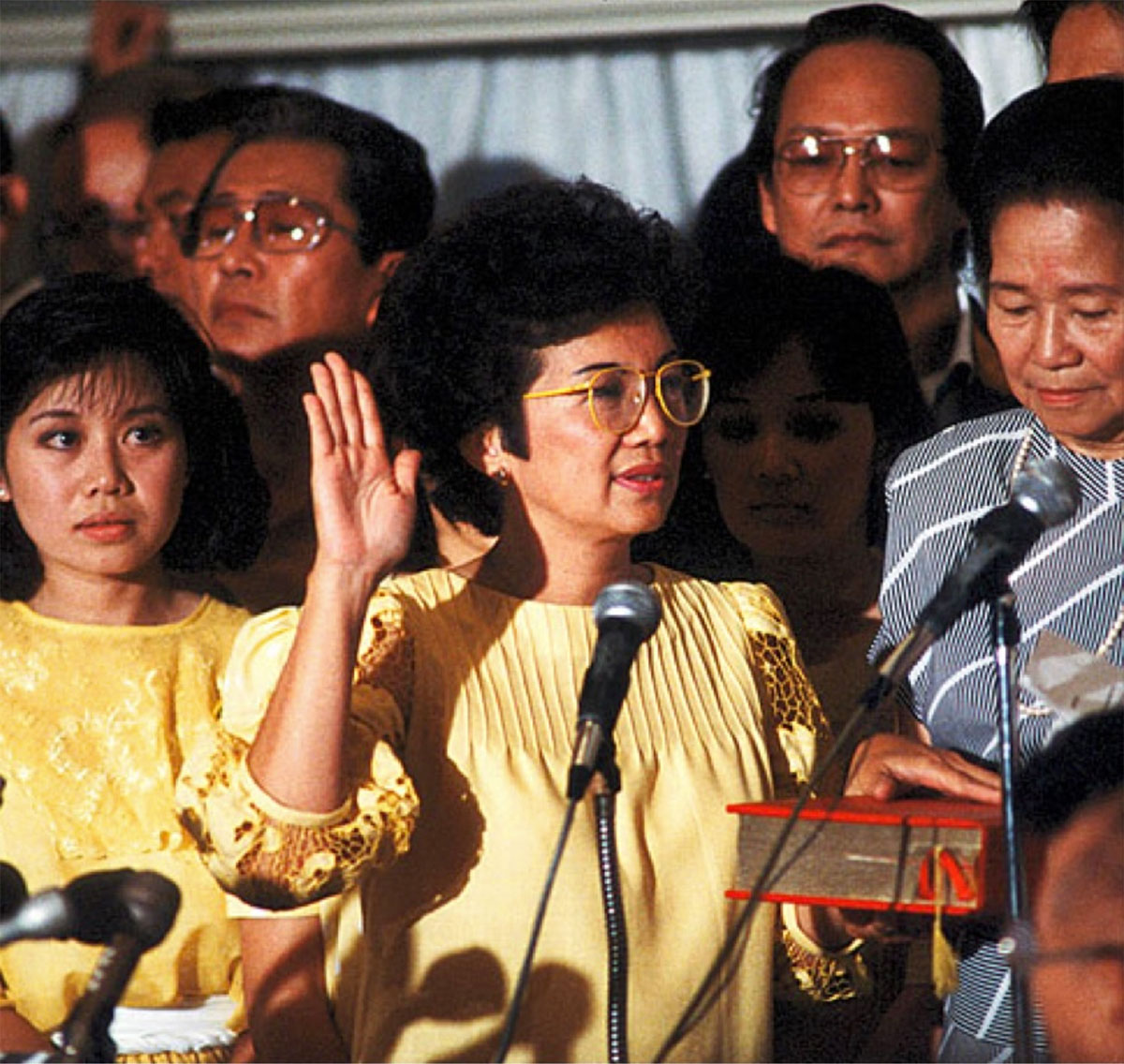
In choosing to continue Ninoy’s fight, Cory Aquino became the moral center of a growing national movement for justice and freedom. As years of protests gained momentum, her quiet strength and integrity inspired Filipinos to believe that peaceful change was possible. Under Cory Aquino’s steady leadership, the movement remained nonviolent, showing the world that faith and solidarity could overcome oppression. When the dictatorship finally fell, Cory was sworn in as President of the Philippines on February 25, 1986—marking the triumph of democracy and the people’s faith in her as the rightful leader of a free nation.
PRESIDENT OF A FREE PEOPLE
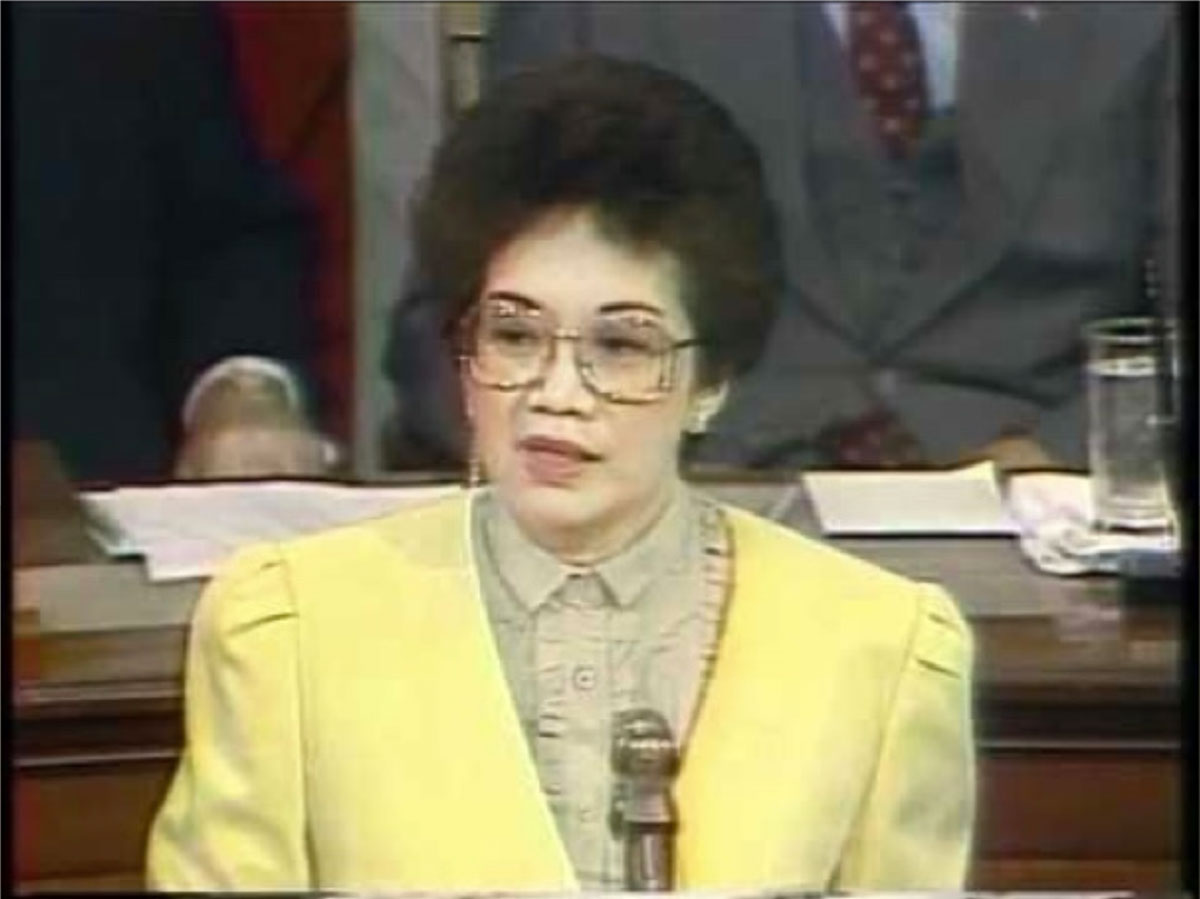
President Cory Aquino and the Filipino people gained worldwide admiration for restoring democracy through peaceful means. In 1986, Cory addressed the United States Congress, where she received multiple standing ovations for her moving speech about the Filipino struggle for freedom. Her message of faith, courage, and people-powered change inspired the world and affirmed the Philippines’ place as a beacon of democracy.
THE 1987 CONSTITUTION
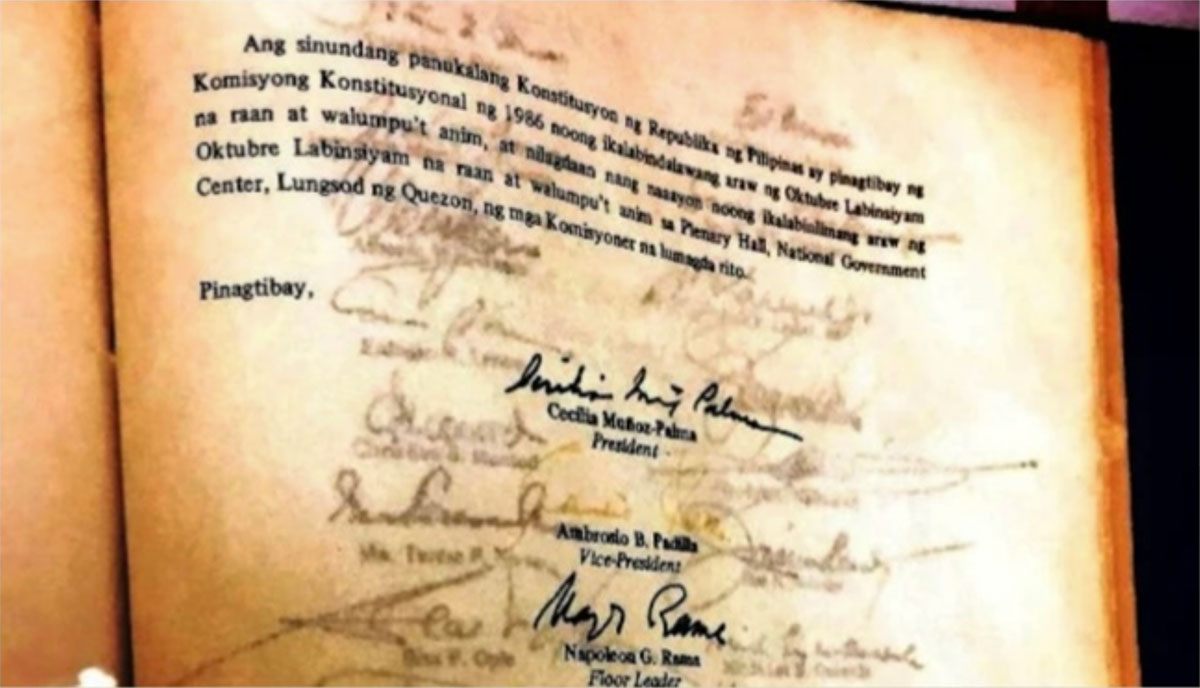
During President Cory Aquino’s term, the 1987 Constitution was drafted and ratified to rebuild the nation’s democratic institutions after years of dictatorship. It reinforced checks and balances, safeguarded civil liberties, and set clear limits on executive power. The Constitution became one of Cory’s most lasting legacies, embodying the Filipino people’s renewed commitment to freedom and justice.
PEACEFUL TRANSFER OF POWER
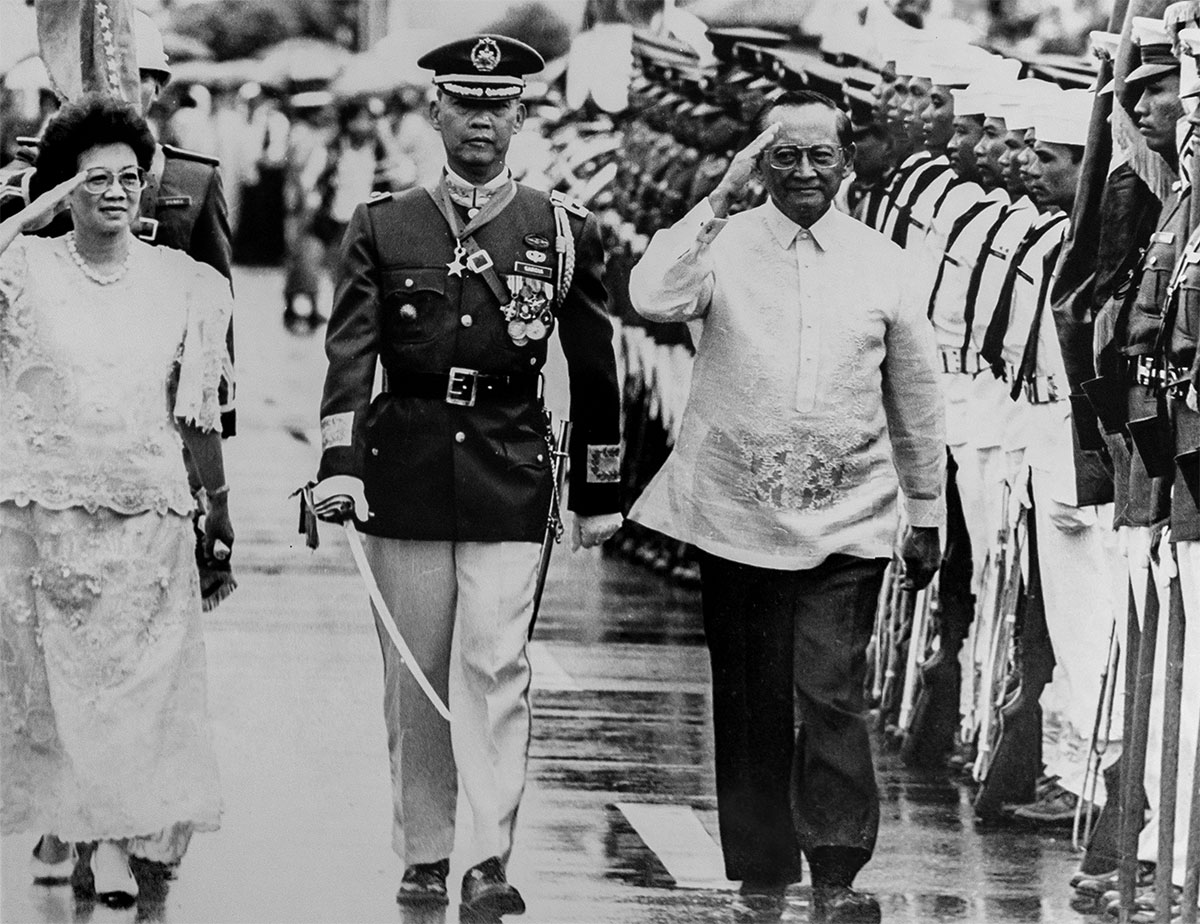
As her term came to an end, President Cory Aquino upheld her promise to protect democracy by ensuring a peaceful and orderly transition of power to her successor, Fidel V. Ramos. She refused to seek re-election or extend her rule, setting a strong example of democratic leadership. Through this act, she demonstrated her deep respect for the Constitution and her belief that true leadership means knowing when to step down with grace and integrity.
ACTIVE CITIZENSHIP
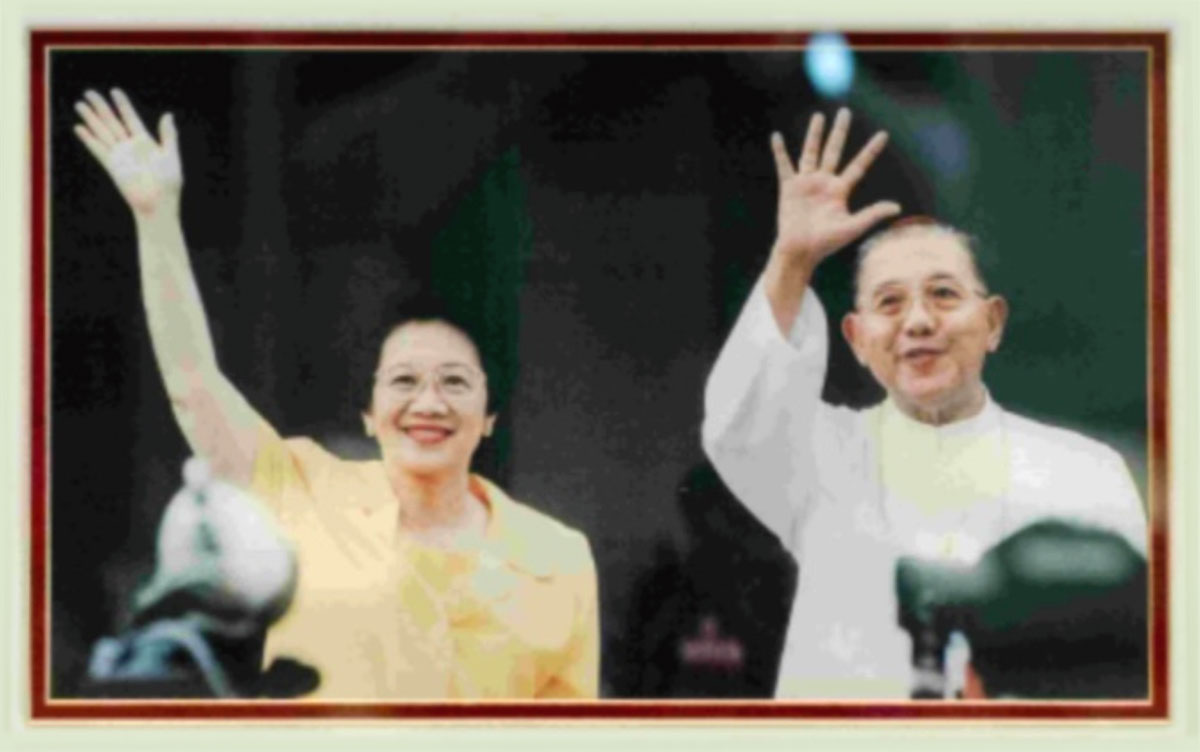
After stepping down from the presidency, Cory Aquino remained an active voice in national affairs, often speaking out on issues of democracy and good governance. She supported various civic and religious causes, continuing to inspire Filipinos with her humility and moral leadership. Even outside of office, she embodied the spirit of service and integrity that defined her years in public life.
THE PASSING OF PRESIDENT CORY
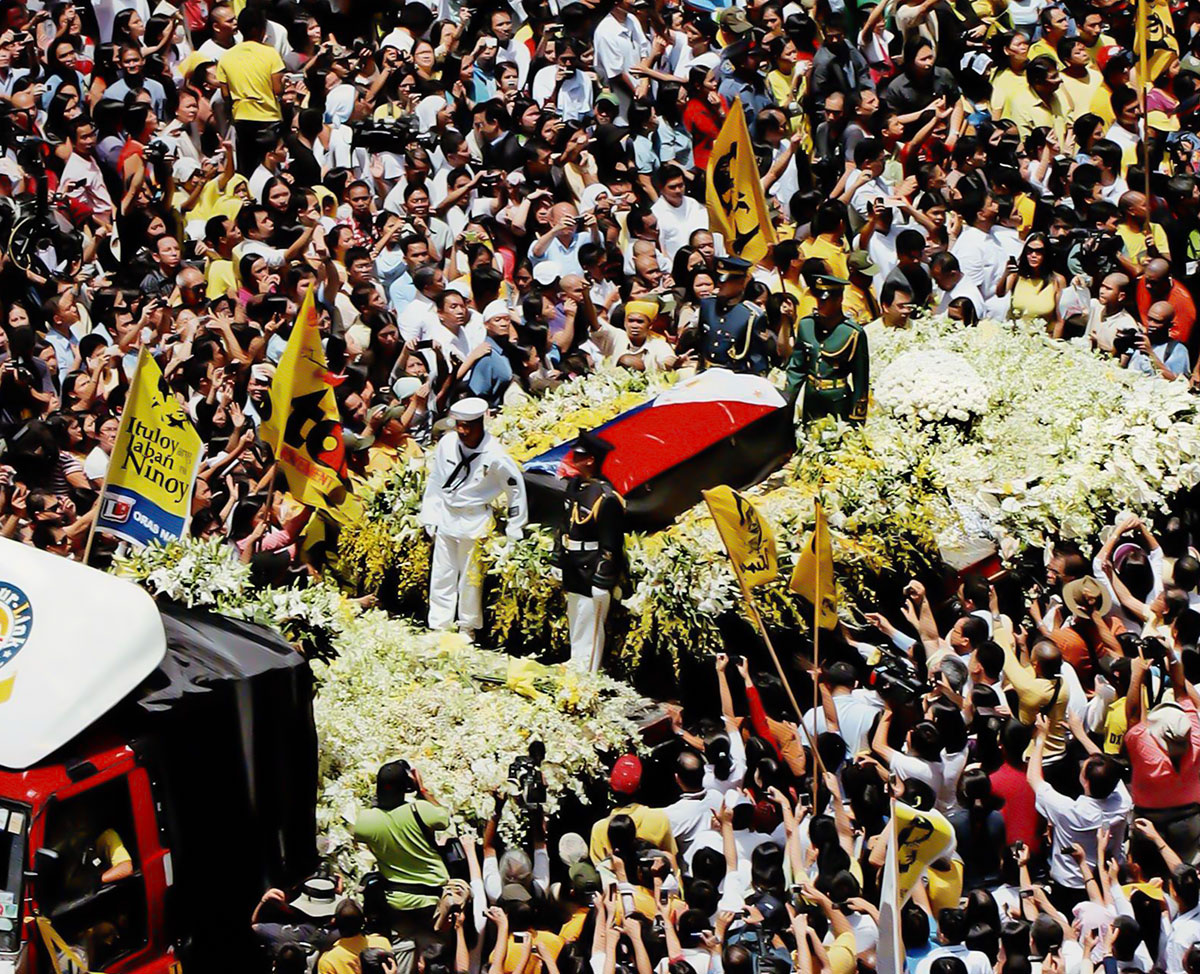
When Cory Aquino passed away on August 1, 2009, after a long battle with cancer, the nation mourned deeply for its “Mother of Philippine Democracy.” Her death brought millions of Filipinos to the streets once more, this time not in protest, but in gratitude and sorrow. Yellow ribbons, candles, and flowers filled the country as people from all walks of life paid tribute to her courage and selfless service. Her funeral procession echoed the spirit of Ninoy’s decades earlier—solemn yet unifying, reminding the nation of the ideals they had both lived and died for. In mourning her loss, Filipinos also renewed their commitment to the democracy she helped restore.