

RESIST

7 YEARS AND 7 MONTHS
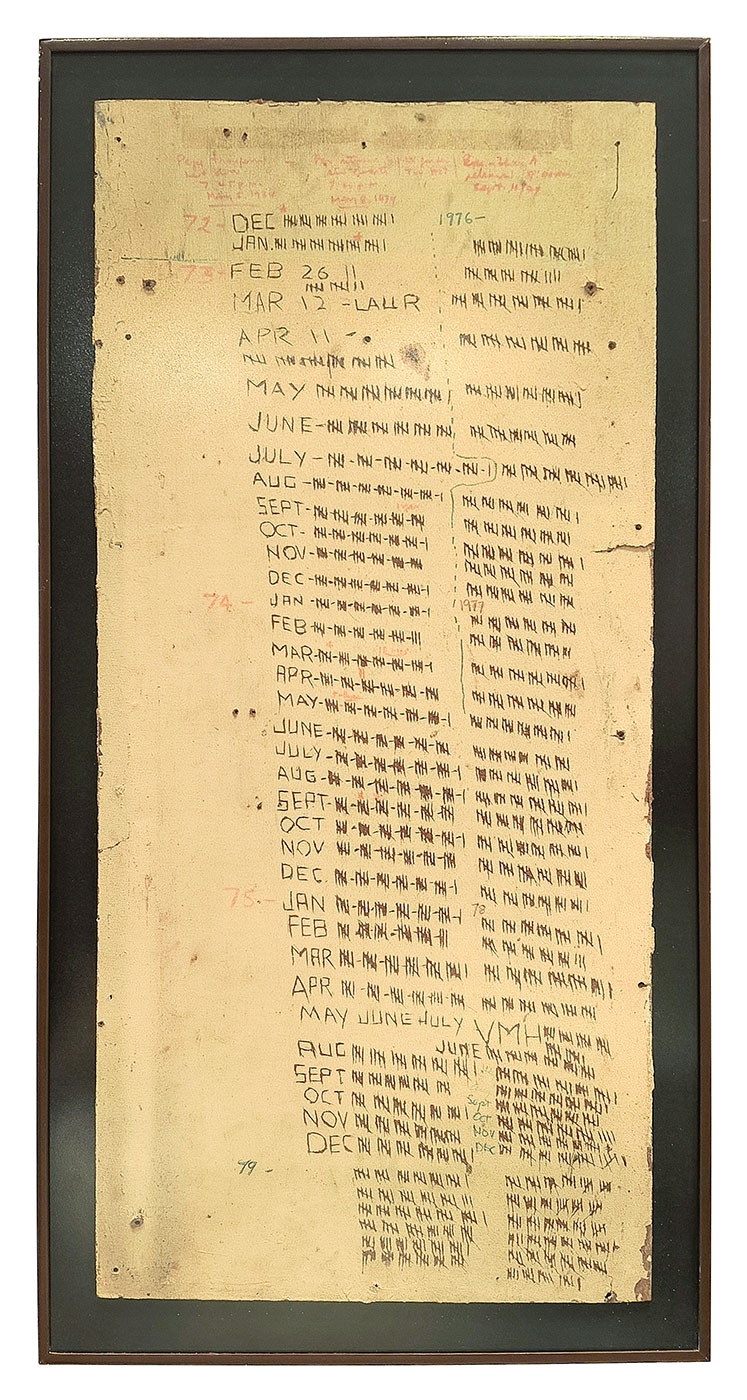
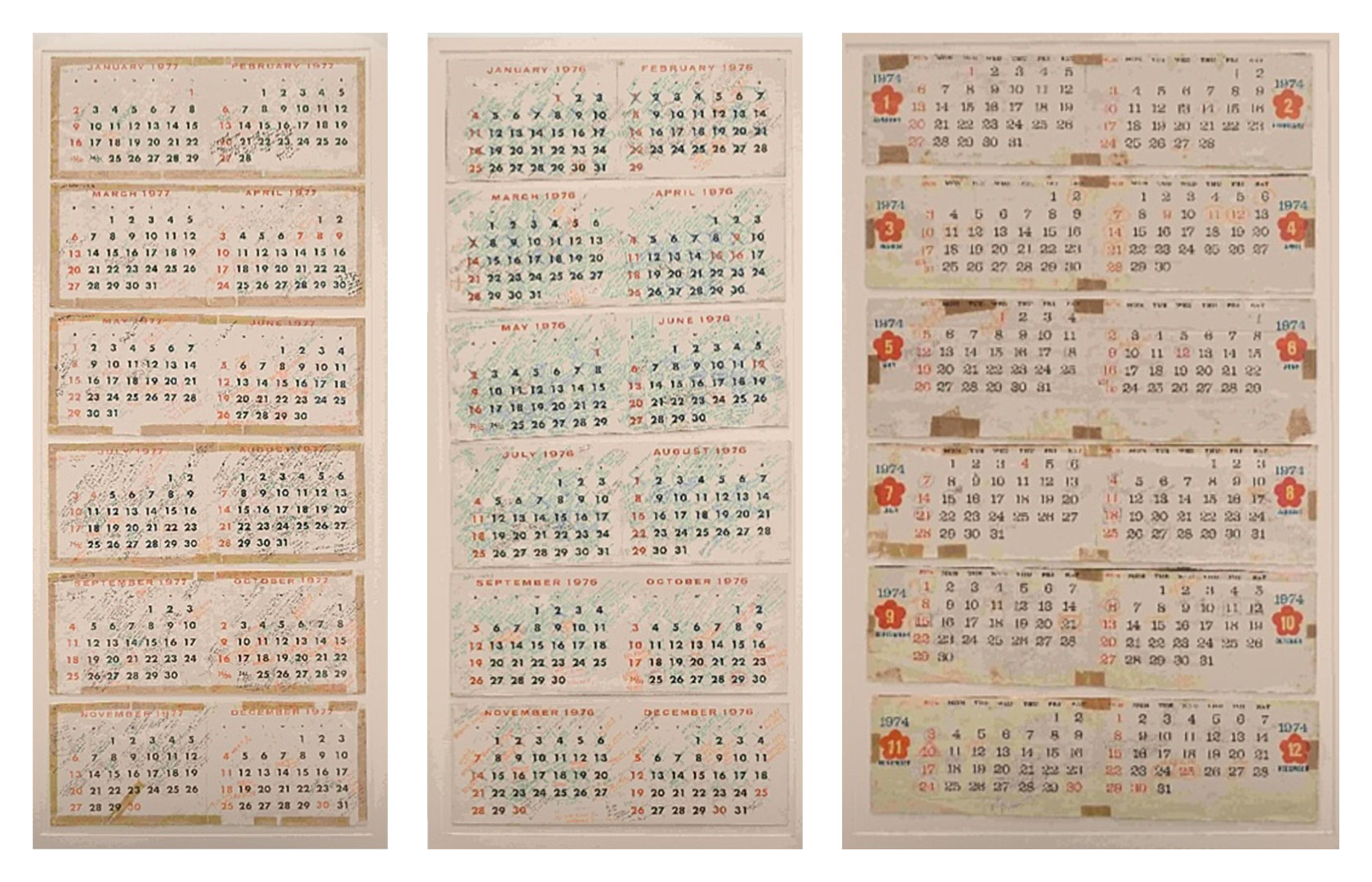
Ninoy Aquino spent seven years and seven months in prison after his arrest in 1972 following the declaration of Martial Law by President Ferdinand E. Marcos Sr. During his detention, he endured solitary confinement, hunger strikes, and limited contact with his family, yet his resolve for democracy and freedom only strengthened. His imprisonment turned him into a powerful symbol of resistance against the dictatorship.
LAUR
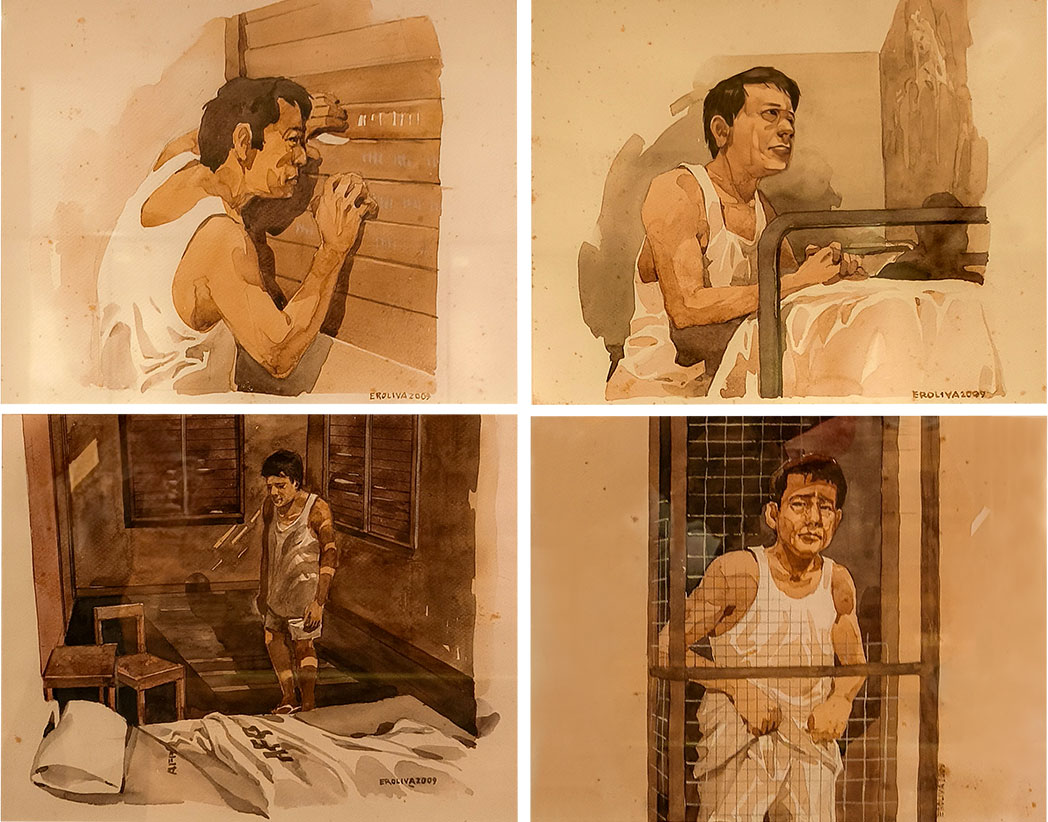
During his imprisonment in Laur, Ninoy Aquino experienced a profound spiritual transformation. Cut off from the outside world, he turned to prayer, meditation, and reading the Bible, finding strength and peace in his faith. This deepened spirituality reshaped his outlook—he emerged more forgiving, grounded, and ready to serve his people with renewed moral conviction.
HUNGER STRIKE
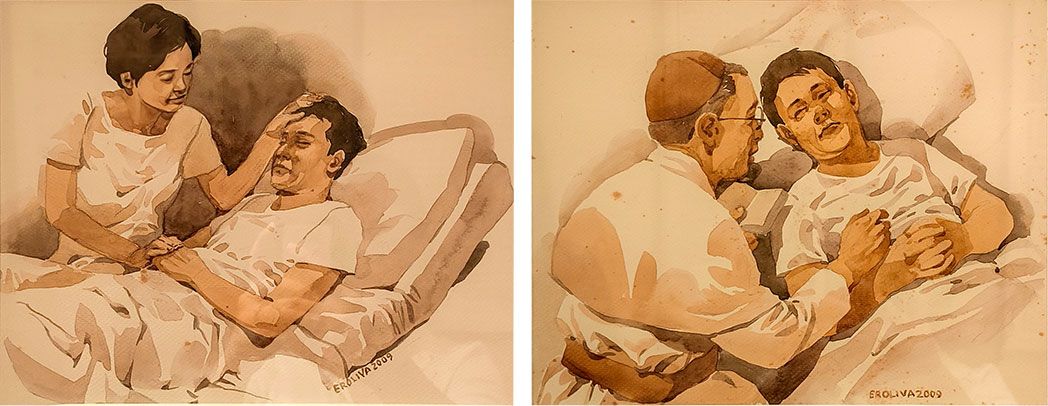
In 1975, he refused to eat for 40 days to protest the injustices of Martial Law and his continued detention without trial. He lost a significant amount of weight and his health severely deteriorated, prompting great concern from his family and supporters. The strike drew national and international attention, pressuring the Marcos regime and further exposing the harsh realities of political repression in the Philippines.
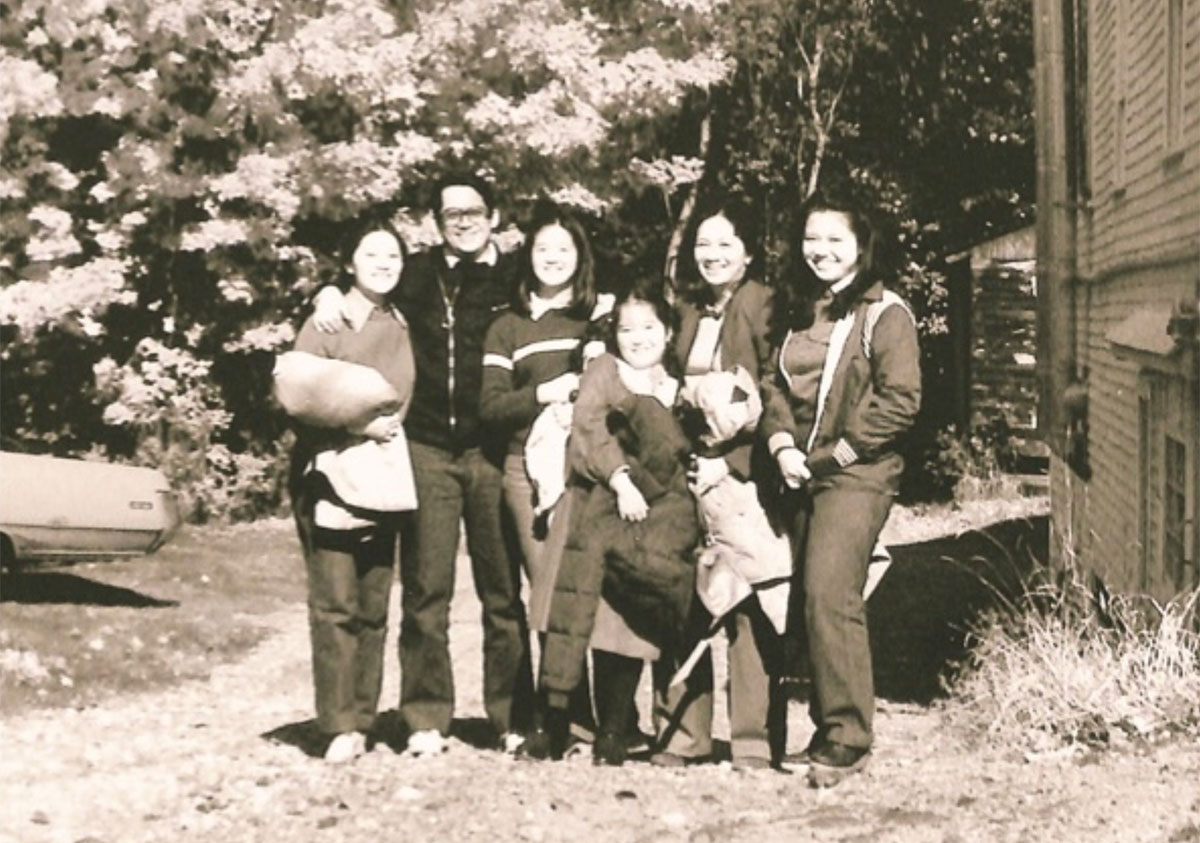
FAMILY LIFE IN BOSTON
In Boston, Ninoy Aquino lived a quiet and comfortable life with his wife, Cory, and their children after years of imprisonment in the Philippines. It was a time of healing and renewal for the family, as they enjoyed simple routines—sharing meals, attending Mass, and supporting their children’s schooling. For the first time in many years, Ninoy was able to be a husband and father in peace, away from the dangers and pressures of political life.
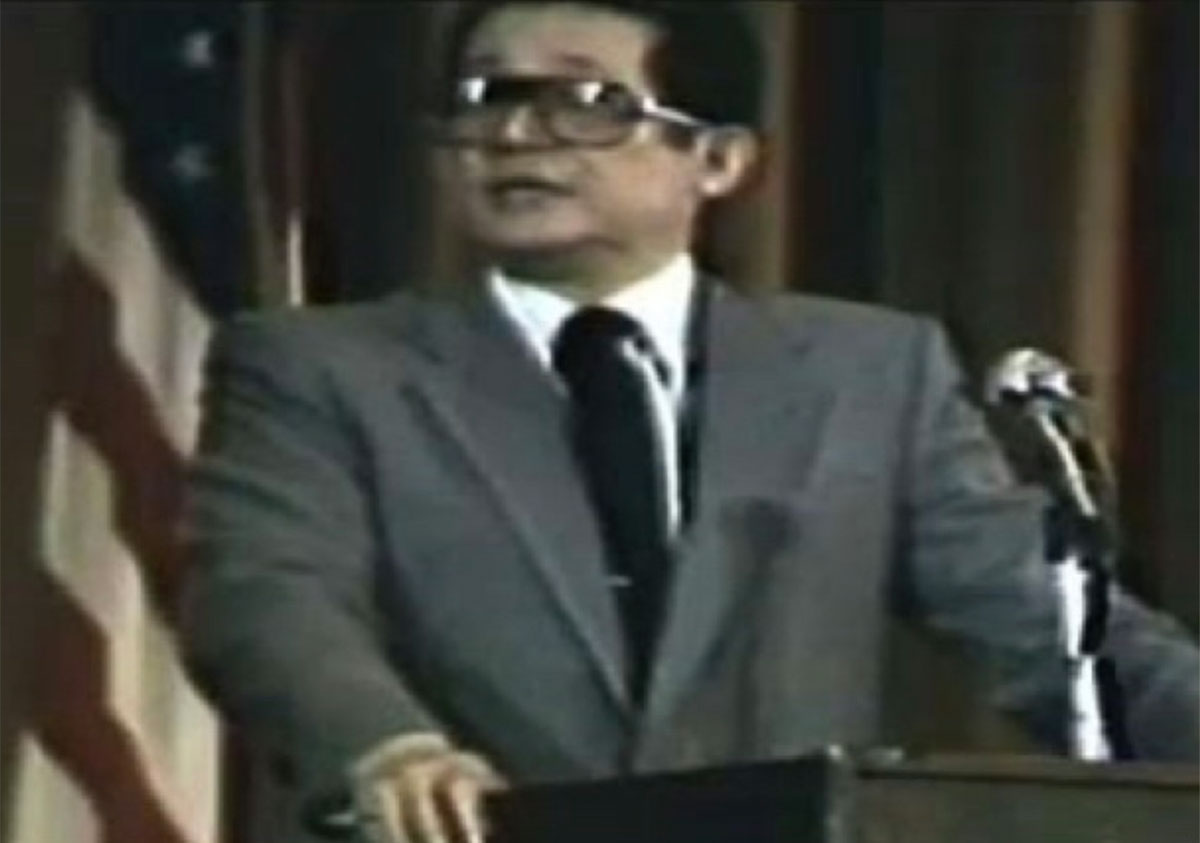
CONTINUING POLITICAL WORK
Even in exile, Ninoy remained deeply engaged in Philippine politics. He gave numerous speeches and lectures across the United States, exposing the realities of Martial Law and rallying international support for the restoration of democracy in the Philippines. Through his writings and talks at universities and civic forums, he became a leading voice of opposition abroad, keeping global attention focused on the Marcos dictatorship.